

How your heat pump will work depends not only on the equipment, but also on the installers
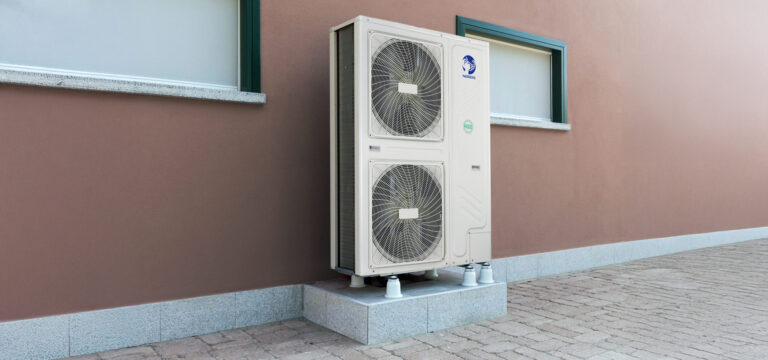
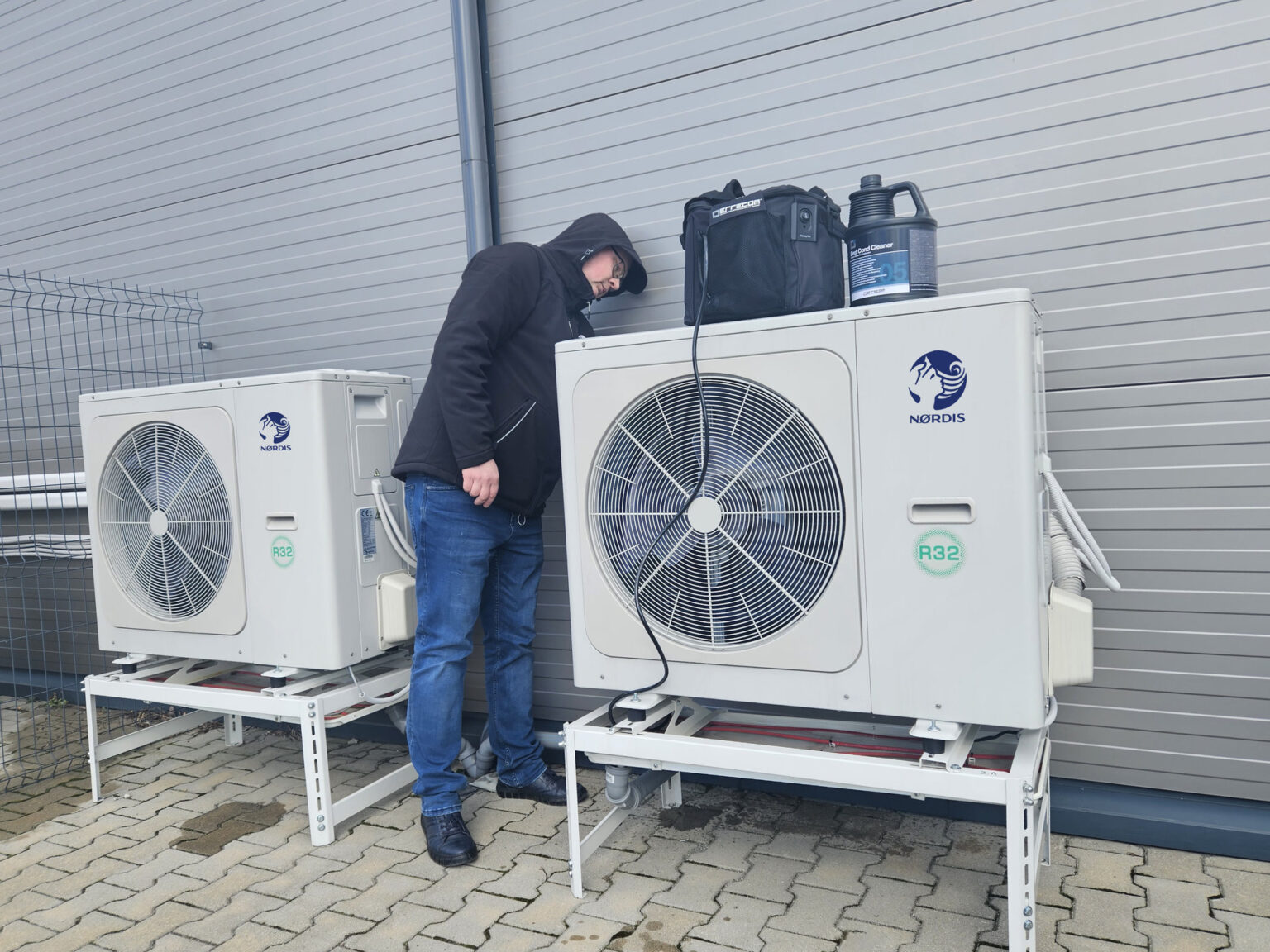
Installing a heat pump is an important step that determines how the entire heating system will work, because even the best equipment can run inefficiently or even fail if it is installed incorrectly. Mindaugas Beniušis, head of the Heating and Air Conditioning Department at BRGroup, the company that sells NØRDIS Optimus Pro heat pumps, explains what to pay attention to when planning the installation of an air-to-water heat pump.
Where does the problem lie?
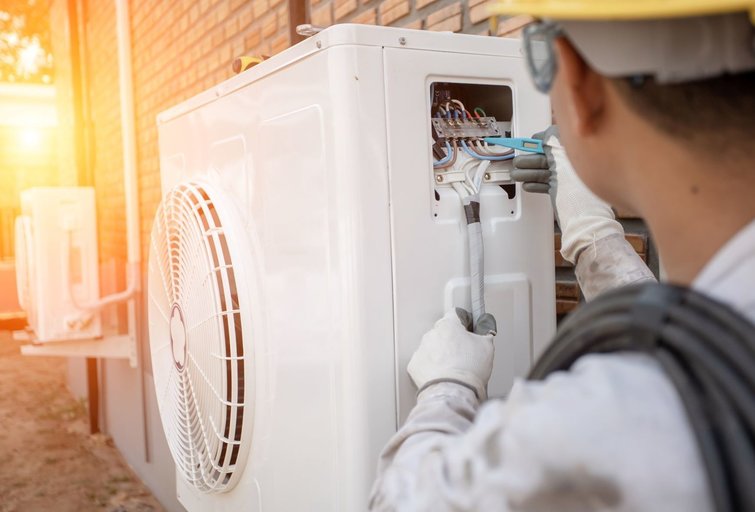
Having taken into account your home’s heating needs, which depend on its energy class and floor area, you have chosen a heat pump. All that remains is to install and start it. Representatives of heat pump manufacturers recommend buying the installation service together with the equipment, so that mistakes are avoided and the work is carried out by a reliable specialist rather than by anyone who thinks the task is manageable. You should know that if the work is done by an installer who does not hold a certificate proving that they are allowed to work with refrigeration and air conditioning equipment and heat pumps containing ozone-depleting substances and F-gases, the pump’s warranty will not be valid. If the installer lacks the necessary plumbing skills, they may make mistakes that cause the equipment to work incorrectly.
The heat pump market is growing rapidly. This is driven by higher fossil fuel prices, by APVA support for replacing fossil-fuel boilers with heat pumps, and by people’s understanding that a heat pump is more economical and more environmentally friendly heating equipment than traditional fossil-fuel boilers. As demand for heat pumps has risen sharply, so has demand for their installation, and with it the price.
As a result, heat pumps are installed not only by experienced and qualified specialists, but also by those who have not completed training and have no experience, the necessary qualifications or the certificate required for such work that allows them to work with equipment containing F-gases. Problems often arise when a person who has bought a heat pump looks for someone to install it as cheaply as possible, without realizing that the efficiency of the equipment itself depends on how the pump is installed and commissioned. There are cases where a new heat pump is not even given warranty service because its installation did not meet the warranty conditions.
Who should install the heat pump?
If the installation service is purchased separately, it is always worth checking the competence of the installer who will carry out the work and making sure that they have the appropriate qualifications and can properly install, start up and adjust the specific heat pump. If you hire a small company or a craftsman working under an individual activity certificate, be sure to check whether the worker has plumbing skills, a certificate proving that they may work with refrigeration and air conditioning equipment and heat pumps containing ozone-depleting substances and F-gases, and whether they have completed the courses organized by the pump manufacturer’s representatives that broaden knowledge of how that brand’s pumps work and how to install them.