


New technology in old buildings: can air-to-water heat pumps heat every home?
As the heating season approaches, owners of private houses are once again wondering whether their heating system will withstand the winter cold, or whether it is time to upgrade and replace the old boiler with a more modern solution. Heating equipment experts warn that the newest heating technologies are not suitable for every home.
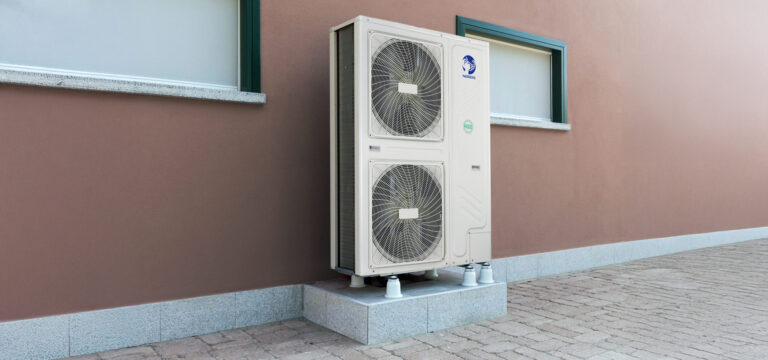
Air-to-water heat pumps, which take energy from the outdoor air and transfer the generated heat to an underfloor or radiator water heating system, are currently considered one of the most popular heating solutions.
According to Mindaugas Beniušis, head of the Heating and Air Conditioning Department at Baltic Refrigeration Group, heat pumps are easy to integrate into an existing underfloor or radiator heating system of a house, but owners of old houses should first find out whether this investment, which starts at 3,000 euros, is suitable for their home.
Heat is lost through thermal bridges and leaks
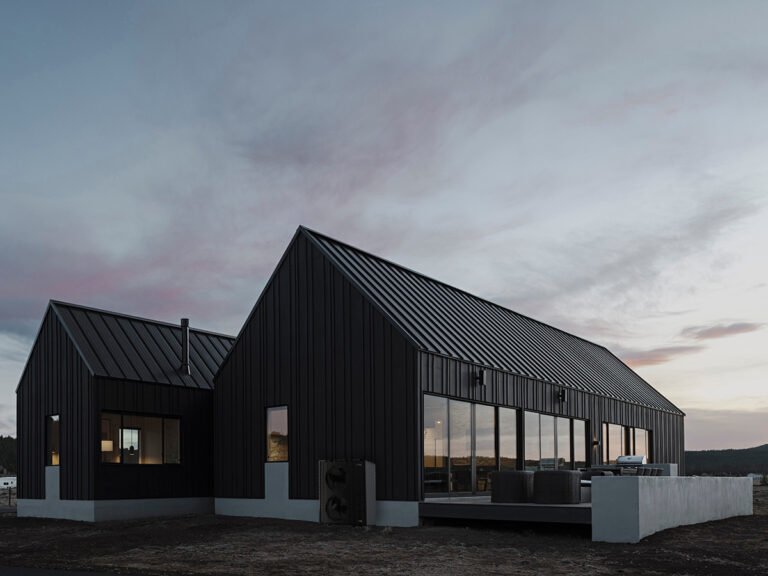
“Air-to-water heat pumps work extremely efficiently in a house of energy class A, A+ or A++. A correctly selected heat pump works efficiently 90–95% of the time and ensures a comfortable temperature. It is no coincidence that this way of heating is popular in Scandinavia, where winters are much harsher than in Lithuania,” says M. Beniušis.
According to the heating equipment specialist, the biggest costs of using a heat pump come from the price of electricity: when the outdoor temperature drops significantly below 0°C, the pump’s compressor is no longer able to transfer the required amount of heat, and electric heating elements then help generate the missing heat.
“In a house of a high energy class, the help of electric heating elements is needed very rarely during the heating season, so electricity consumption does not rise significantly. However, when installing a heat pump in an old house, you face large heat losses – heat escapes through leaky windows, walls, an uninsulated roof or foundations. So if you heat a house that is like a sieve with a heat pump, heating will be very expensive, because the pump will constantly need the help of an electric heating element to reach the desired temperature,” comments M. Beniušis.
According to the specialist, renovating an old house will not always achieve the expected result, because even after replacing old windows with more airtight ones or insulating the walls, the technological defect of old construction will remain – thermal bridges.
“When assessing an old house, many nuances must be taken into account: is its roof airtight, is the basement properly insulated – perhaps all the heat is used not to heat the floor of the first floor but the ceiling of the basement? In that case no modern device will heat enough for the whole house to have a comfortable temperature. Sometimes it is technologically impossible to renovate an old house properly because of mistakes made during construction. However, if it is possible to improve the energy class of the house, a heat pump can be an excellent choice,” asserts M. Beniušis.
The heating specialist calculates that in a modern airtight house with heat recovery, heat losses reach up to 20% (depending also on the efficiency coefficient of the heat recovery unit), while in a house of a lower energy class heat losses are considerably higher. In each case the heat losses of a house should be assessed individually – they are determined neither by the year of construction nor by the building materials used.
Radiator output is not sufficient
Another challenge when installing a heat pump in an old house is the old radiators. In old heating systems, solid fuel boilers usually heat water to 70–80 degrees, while a heat pump usually prepares water for radiators at 45–50 degrees, so the heat output of the same radiator is considerably reduced.
“To install a heat pump it is not necessary to replace the old radiators in the house, but it may be necessary to increase their area, that is, install additional ones so that their total heat output is sufficient. At the same time, the heating characteristics of the house must be assessed – if the solid fuel boiler used until then was fired at maximum all the time and the house was heated strongly, then with a heat pump the house may turn out to be considerably cooler,” notes M. Beniušis.
Old houses may also have problems with the capacity of the electrical supply – before installing a heat pump it is necessary to check whether the available electrical capacity will be sufficient for the new equipment. According to the interviewee, however, the capacity of the electrical supply is a pressing problem not only in old houses but also in fairly new ones.
Support encourages upgrading
As one alternative for owners of old houses, a representative of Baltic Refrigeration Group suggests integrating heat pumps into the existing heating system instead of replacing one heating device with another. In that case the heat pump would heat the home and prepare hot water without problems in summer, autumn, spring and a good part of winter, and only on especially cold winter days would the home be heated, partly or completely, by the solid fuel boiler – the combined heating method would significantly increase living comfort, because the solid fuel boiler would no longer need to be fired all year round.
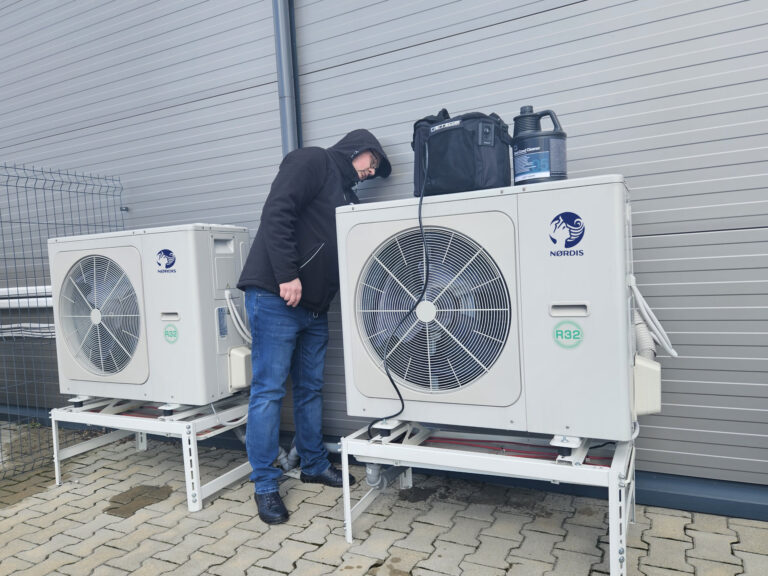
“Heat pumps, such as NØRDIS, are easy to integrate into old heating systems. They are also environmentally friendly – heat pumps do not emit any pollutants. If green electricity is used in the home, this way of heating is not only efficient but also sustainable. Considering that the heating season in Lithuania often lasts 5–6 months, newer heating technologies help both to save money and to live more ecologically,” stresses M. Beniušis.