

Planning to Install a Heat Pump? An Expert Explains the Best Time to Do It
The worrying energy crisis and rising prices have pushed many homeowners to look for more efficient and cost-saving heating solutions. According to Mindaugas Beniušis, Head of the Heating and Air Conditioning Department at Baltic Refrigeration Group, a properly chosen air-to-water heating system in a high-energy-class house is always a good investment. For those planning to upgrade their home’s equipment, now is the best time to do it.
First, Ensure Proper Building Insulation
With rising gas prices, even those who had postponed updating their heating system for years are now rushing to make changes. There are many possible solutions, but without expert advice, it is not always easy to choose correctly.
Beniušis points out a common mistake: homeowners hope to save money by renovating only their heating system while neglecting the house itself. If the house is in poor condition, investment in a new heating system may not pay off. Heat will simply escape through windows, walls, and doors.
“First, you need to ask yourself: are you planning to heat your home or the outdoors? If the house is old and leaky, no matter which heating system you choose—gas or modern air-to-water—the bills will still be high. So, if you are upgrading the heating system in an older house, renovation of the building should be your top priority,” says the specialist.
According to him, a building’s energy efficiency rating is one of the most important criteria when planning to update a heating system. Ratings range from A++ (highest) to G (lowest). Air-to-water heat pumps work effectively not only in top-rated buildings but also in class B, which can usually be achieved after proper renovation.
Based on the building’s heat loss, the required heating capacity is calculated. This determines the proper pump size. Choosing incorrectly may result in a pump that is too weak and fails to deliver enough heat, or one that is oversized and wastes energy. Either way, you overpay without getting full benefits.
In a well-insulated, airtight, high-energy-class building, rooms heat up faster, requiring a lower-capacity unit and keeping heating costs low.
Reducing Electricity Consumption
For even greater savings, the expert recommends combining a heat pump with a solar power plant.
“Since a heat pump runs on electricity, installing solar panels helps offset costs. This solution reduces bills not only in winter but also in summer, when the energy produced is used to prepare hot water,” explains Beniušis.
Other smart technologies also help save electricity, such as control systems that adjust pump operation according to the outdoor temperature curve, or thermostats in each room to ensure efficient operation.
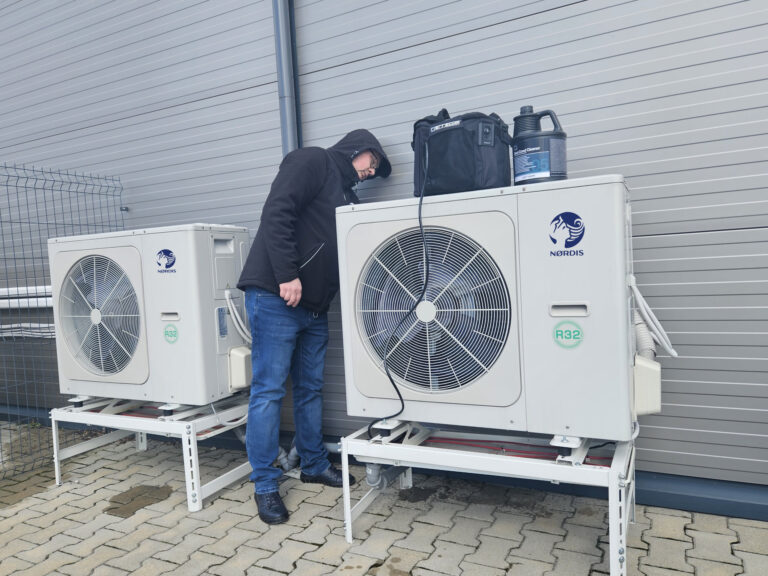
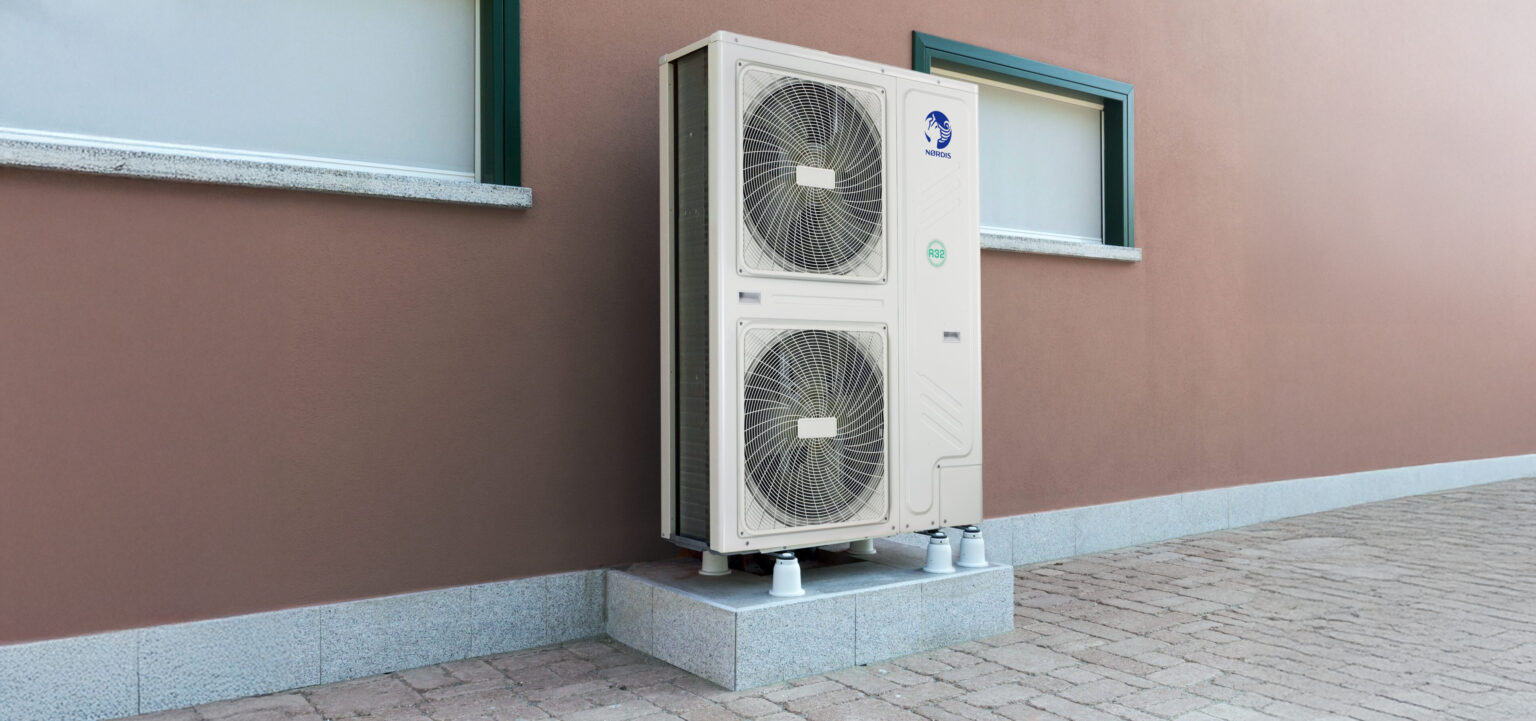
One of the most popular choices among Baltic Refrigeration Group customers is the NØRDIS Optimus Pro Split series of air-to-water heat pumps. These units are designed for both heating and hot water preparation, using heat extracted from outdoor air. They provide reliable warmth in winter and hot water year-round.
The Optimus Pro Split series is built on DC inverter technology, which optimizes system performance and ensures comfort with minimal electricity consumption, even at outdoor temperatures as low as –25°C.
The system can be combined with underfloor heating, radiators, fan coil units, and domestic water heaters, eliminating the need to rebuild the entire heating system.
“There are very expensive heat pumps on the market, but in terms of quality, NØRDIS heat pumps are just as good, while costing significantly less. We receive positive feedback about their reliability both from installers and from customers, who especially appreciate their quiet operation,” says Beniušis.
Heat Pumps Offer More Than Just Savings
While the popularity of air-to-water heat pumps is closely tied to economic benefits, Beniušis notes that saving money is not the only reason people choose them. Convenience is also a major factor, especially for those who previously used solid fuel.
“Before the crisis, firewood was not expensive, so heating with it wasn’t costly. But who wants to play stoker when you can enjoy a warm home without effort? That’s one of the main advantages— the heat pump works for you. Forget cleaning the boiler room, chopping wood, storage, and keeping the fire alive. Heat pumps save not only money but also time,” he says.
Compared to gas heating, air-to-water heat pumps also have advantages in design simplicity and flexibility.
“To install gas heating, you first need a suitable room, a detailed project, and proper permits. This process takes time. With heat pumps, it’s much simpler. A seller or contractor will help you choose the right equipment during consultation, and installation usually takes just 1–2 days. Also, think about the future: if you plan to install solar panels, they won’t reduce gas heating costs, but they will help with a heat pump,” explains the expert.
Growing Demand Beyond Residential Homes
According to Beniušis, demand for air-to-water heat pumps has been increasing not only among homeowners but also among commercial property owners. This has led Baltic Refrigeration Group to expand its product range with higher-capacity systems.
“Previously, we could offer up to 16 kW capacity pumps. Soon, we’ll also provide 30 kW units that can be connected in cascades, reaching up to 180 kW. Demand is growing, so we are working to ensure supply,” he notes.