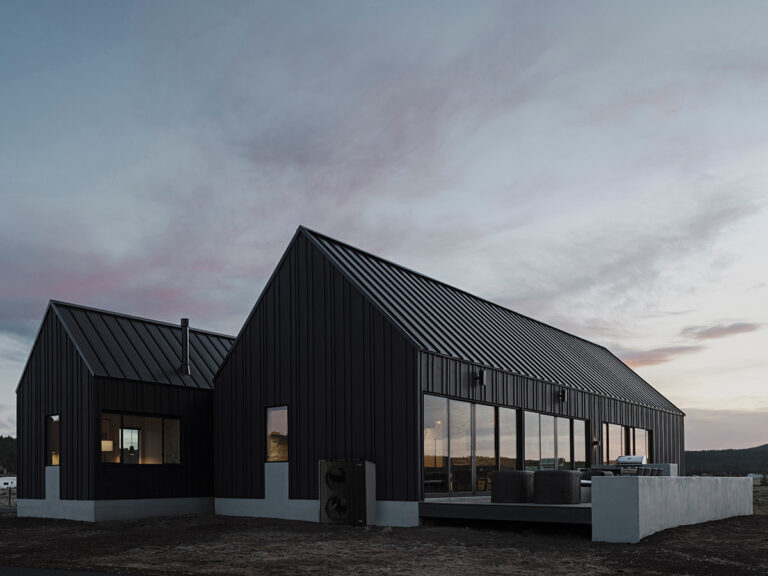



New Technologies in Old Houses: Can Air-to-Water Heat Pumps Heat Every Home?
As the heating season approaches, homeowners once again wonder whether their current heating system will withstand the winter cold—or if it’s time to modernize and replace the old boiler with a more advanced solution. Heating equipment experts warn that the latest heating technologies are not suitable for every house.
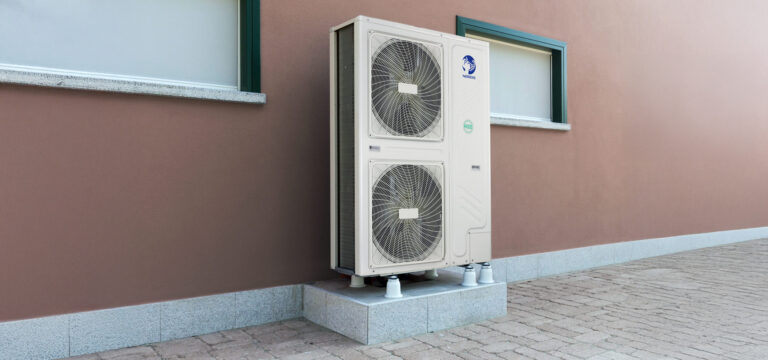
One of the most popular solutions today is the air-to-water heat pump, which extracts energy from outdoor air and transfers the generated heat into a water-based heating system, such as underfloor heating or radiators.
According to Mindaugas Beniušis, Head of the Heating and Air Conditioning Department at Baltic Refrigeration Group, heat pumps can be easily integrated into existing underfloor or radiator heating systems. However, he stresses that owners of older houses should first determine whether this investment—starting from around €3,000—is appropriate for their property.
Heat Escapes Through Cold Bridges and Air Leaks
“Air-to-water heat pumps work very efficiently in homes with an A, A+, or A++ energy rating. A properly chosen unit operates efficiently 90–95% of the time, maintaining comfortable indoor temperatures. It’s no coincidence that this heating method is popular in Scandinavia, where winters are much harsher than in Lithuania,” says M. Beniušis.
According to the expert, the main operating cost of a heat pump is electricity. When outdoor temperatures drop significantly below 0°C, the compressor alone cannot transfer enough heat, and the system relies on built-in electric heaters to cover the shortfall.
“In high-energy-class houses, electric heaters are rarely needed during the heating season, so electricity consumption does not increase significantly. But in older houses with major heat losses—through leaky windows, walls, uninsulated roofs, or foundations—the situation is very different. Heating such a drafty house with a heat pump will be extremely expensive, since the electric heater will constantly have to assist the system to maintain the desired temperature,” explains Beniušis.
Even after renovations, such as replacing old windows or insulating walls, older buildings may still suffer from construction flaws—cold bridges that cannot be completely eliminated.
“When evaluating an old house, you need to consider many factors: is the roof airtight, is the basement properly insulated, or is much of the heat being wasted on heating basement ceilings instead of living spaces? In such cases, no modern unit will manage to provide enough warmth for comfort throughout the entire house. Sometimes, full-scale renovation simply isn’t possible due to mistakes made during original construction. However, if the home’s energy class can be improved, a heat pump can be an excellent choice,” he emphasizes.
In a modern, airtight home with a ventilation recovery system, heat loss can be as low as 20% (depending on the efficiency of the heat recovery unit). By contrast, homes of lower energy classes typically suffer much higher heat losses. Each house must therefore be evaluated individually—heat loss cannot be determined solely by the year of construction or the building materials used.
Old Radiators May Lack Power
Another challenge with installing a heat pump in older homes is outdated radiators. Traditional solid-fuel boilers often heat water to 70–80°C, while heat pumps typically deliver water at 45–50°C. As a result, the same radiator produces much less heat.
“Installing a heat pump does not necessarily mean replacing old radiators, but their surface area may need to be increased—that is, additional radiators installed to ensure sufficient total heating capacity. At the same time, homeowners need to adjust their expectations: if a solid-fuel boiler previously overheated the house, a heat pump may feel cooler in comparison,” Beniušis notes.
Older houses may also face problems with insufficient electrical supply capacity. Before installation, it is necessary to check whether the home’s power connection can handle the new system. According to the expert, this issue affects not only older homes but also some relatively new constructions.
Support Programs Encourage Modernization
As an alternative for owners of older homes, Baltic Refrigeration Group suggests integrating heat pumps into the existing heating system rather than fully replacing the old boiler. In such a setup, the heat pump can efficiently provide heating and hot water throughout spring, summer, autumn, and much of winter. Only on extremely cold days would the solid-fuel boiler take over—either partially or fully. This hybrid heating method greatly improves comfort, as it eliminates the need to rely solely on the solid-fuel boiler year-round.
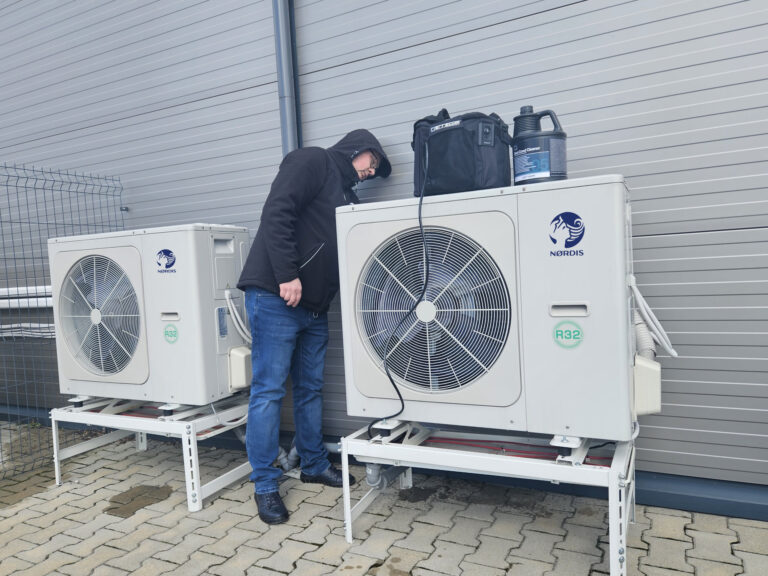
“Heat pumps, such as Nordis models, can be easily integrated into older heating systems. They are also environmentally friendly, since they emit no pollutants. If powered by green electricity, this heating method becomes not only efficient but also sustainable. Considering that the heating season in Lithuania often lasts 5–6 months, newer technologies help both save money and support eco-friendly living,” stresses M. Beniušis.