

Heating Equipment Specialist: A Well-Maintained Heat Pump Can Last up to 15 Years
Air-to-water heat pumps are considered among the most efficient and environmentally friendly heating solutions. They don’t require much maintenance, but to enjoy their benefits for as long as possible, homeowners should not forget a few important steps. A heating equipment expert shares what every homeowner should do to ensure their heat pump serves them for 10–15 years or even longer.
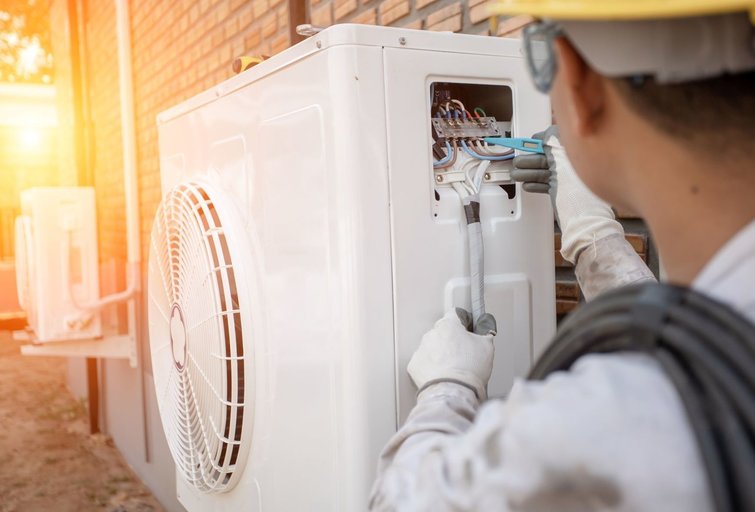
According to Mindaugas Beniušis, Head of the Heating and Air Conditioning Department at Baltic Refrigeration Group, a properly selected and correctly installed air-to-water heat pump requires only minimal maintenance.
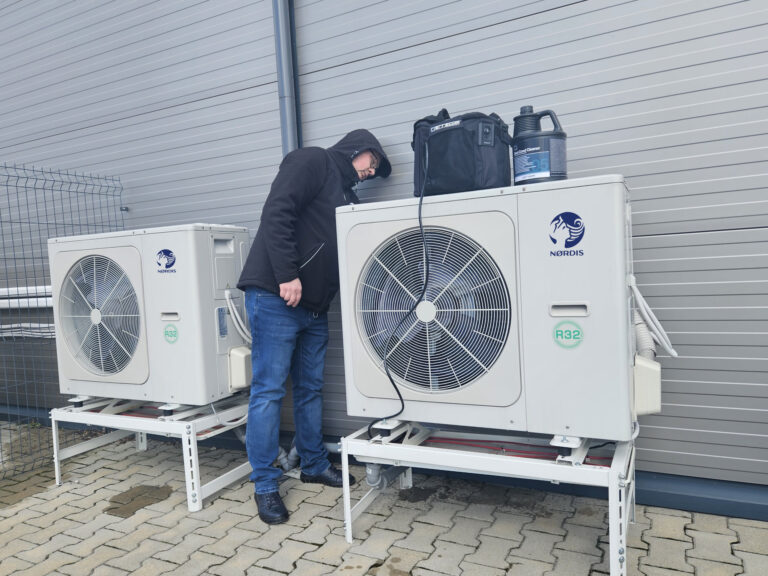
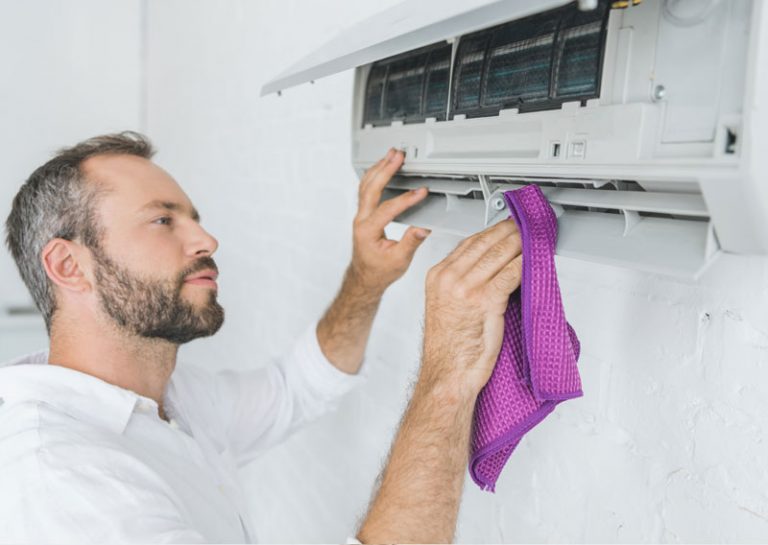
“We recommend that clients call in a service company once a year to clean the water filters, check the pressure in the water and refrigerant systems, and top them up if necessary,” explains Beniušis.
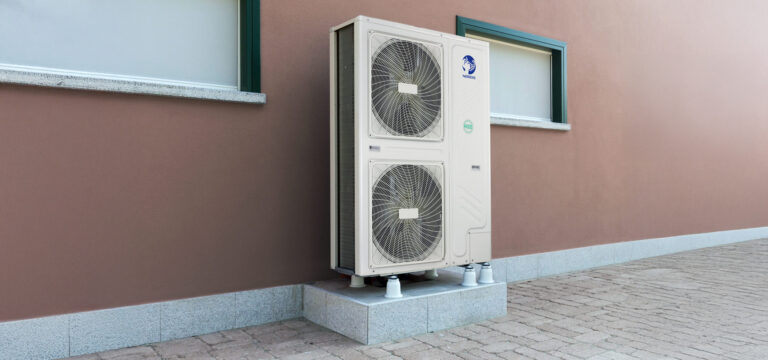
Equally important during preventive maintenance is cleaning the heat exchanger of the outdoor unit from accumulated dirt.
“A large amount of air circulates through the heat exchanger, so dust, leaves, and debris may collect on it, obstructing the pump’s performance. If the house is located in a dusty environment, we recommend cleaning the heat exchanger at least a couple of times a year,” the expert advises.
Water Tanks Must Be Cleaned
Air-to-water heat pumps require special attention to water quality. One of the biggest enemies of heat pumps is limescale.
“Water quality must meet the requirements set by Lithuanian hygiene standards, but sometimes well water is extremely hard. Highly mineralized water damages heat pump components, reduces efficiency, and shortens service life. A heating element covered in limescale produces less heat while consuming the same amount of electricity, and a scaled heat exchanger has reduced water flow. That’s why water softening filters are not only important for drinking water quality but also help extend the life of the heat pump,” explains Beniušis.
The specialist also recommends cleaning and disinfecting hot water tanks once a year. Most tank manufacturers provide special openings at the bottom of the tanks to make cleaning easier.
“Unfortunately, only a small number of users follow the manufacturers’ recommendations. If dirty water enters the drinking water system, over time sludge begins to accumulate at the bottom of the tanks. At least once a year, the tanks should be drained and properly cleaned,” says the Baltic Refrigeration Group representative.
Homeowners must also pay attention to Legionella prevention—maintaining a hot water tank temperature of at least 60°C, as this kills the dangerous bacteria. Legionella thrives in water temperatures between 20°C and 45°C. According to the expert, some people risk their health by lowering water temperatures in order to save electricity.
“Most heat pumps are programmed to automatically raise the hot water temperature once a week to 66°C or higher, but this function can be disabled, which we strongly advise against. Reaching such a temperature usually requires the electric heater to switch on—but some people, trying to save electricity, turn it off or use it rarely. As a result, the hot water never reaches the necessary temperature for Legionella prevention,” warns Beniušis.
Improper Use Causes Damage
The most common cause of heat pump malfunctions is voltage fluctuations and other electricity supply issues, which damage the electronic control boards. However, improper use of the system can also cause failures.
“Heat pumps are designed so that on extremely cold days the electric heater helps generate the additional heat needed. But some people disconnect the heater or set it to turn on only when the outdoor temperature drops to –25°C. At such low temperatures, it becomes very difficult for the compressor to operate, which reduces efficiency over time. Under such unfavorable conditions, the lifespan of a heat pump can shrink to just 5 years,” Beniušis explains.
Signs of malfunction include unusual noises, reduced efficiency (such as slower hot water heating), or decreased indoor warmth. Usually, error codes and causes are displayed on the device’s control panel. If the same error reappears after troubleshooting, a professional should be contacted.
Most heat pump issues are solved by replacing specific parts. By law, heat pumps are covered by a 2-year warranty under the Civil Code. NORDIS heat pumps include a 3-year warranty, which can be extended to 5 years with a service contract.
“A warranty with a service contract costs less than repairing a broken heat pump—especially since some parts can be very expensive. With a service contract, the pump is inspected annually by a heating specialist. With proper care, a heat pump can last 10–15 years or more,” says Beniušis.